
Vitrified steel: a durable and responsible choice for your kitchen
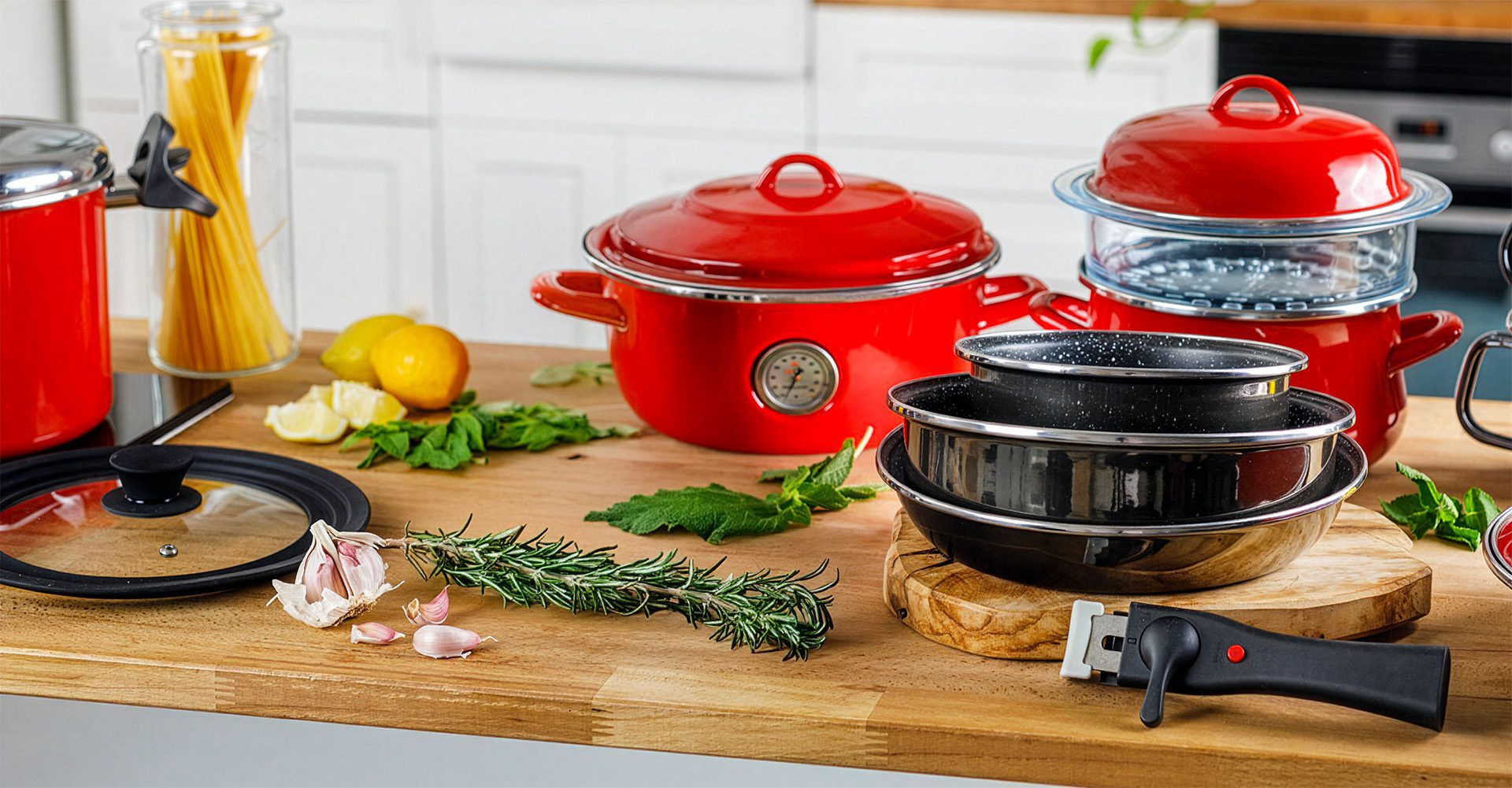
Vitrified steel has been a part of many kitchens for decades, even if we aren’t always aware of it.
It is a material that combines industrial tradition, durability, and a philosophy of cookware designed to last. At a time when we increasingly value sustainability and responsible manufacturing, understanding what goes into a pot or pan helps us make better choices.
At Vitrinor, we work with vitrified steel because it offers something very specific: stability, efficiency, and a long lifespan. And in everyday cooking, that makes a difference.
What is vitrified steel?
Vitrified steel is steel coated with a layer of vitreous enamel that melts at high temperatures and becomes integrated into the metal surface. It is not a paint or a cold-applied surface finish. The process involves placing the piece in industrial kilns where the enamel—made from natural minerals—melts and fuses with the steel.
During this firing process, a real transformation occurs: the enamel stops being an independent layer and becomes a structural part of the surface. The result is a smooth, compact, and non-porous layer that protects the base metal from moisture and continuous use.
The steel retains its thermal performance—fast heat response and full induction compatibility—while the vitrification provides protection and ease of cleaning. It is a technical combination designed for everyday use.
How vitrified steel is manufactured
Manufacturing vitrified steel requires precision and thermal control. First, the steel piece is shaped to the appropriate thickness to ensure stability and good heat transmission. Then, the vitreous enamel is applied, which can be in liquid or powder form.
The piece then goes into high-temperature kilns. At that point, the enamel melts and integrates with the steel. It doesn’t just sit on the surface; it fuses with it. This bond is what provides mechanical resistance and durability.
When this process is managed with energy efficiency and emission control criteria, it allows for resource optimization and reduces the environmental impact of manufacturing. Sustainability starts here, long before the piece reaches your kitchen.
Advantages of vitrified steel in everyday cooking
Durability and sustainability
Cookware that lasts for many years avoids frequent replacements. This extended lifespan is one of the most relevant factors when we talk about responsible consumption. The longer we use a product, the more sense the energy and resources invested in manufacturing it make.
Excellent performance on induction
Steel is ferromagnetic, meaning it responds directly to the induction hob’s magnetic field. This allows for a quick heat-up and good thermal stability. When the base is well-designed, heat transfer is even, and you can cook perfectly at medium power.
Hygienic and easy-to-clean surface
Being non-porous, the vitrified surface does not absorb odors or flavors. Food residue does not penetrate the material, which makes cleaning easier and keeps the cookware in good condition over time.
Corrosion resistance
The enamel acts as a protective barrier against moisture, preventing the base steel from rusting even in demanding environments.
Tips for use on induction
To get the best performance on an induction hob, it is advisable to match the diameter of the pan to the cooking zone, cook preferably at medium power, and avoid prolonged preheating when empty. Steel responds quickly and retains heat well, so it is not always necessary to use maximum power.
Maintenance of vitrified steel
Vitrified steel does not require complex care, but it should be treated with common sense to keep its surface in good condition for longer.
It is recommended to avoid metal utensils that could scratch the enamel and opt for wood or silicone instead. It is also advisable not to subject the piece to sudden temperature changes, such as moving it directly from the heat to cold water. Letting it cool slightly before washing helps preserve the integrity of the material.
For daily cleaning, a soft sponge and neutral detergent are enough. If any residue remains stuck, it is better to let the piece soak for a few minutes before scrubbing hard. Drying well after washing, especially in hard water areas, helps keep the finish in perfect condition.
A technical choice with a practical purpose
Vitrified steel combines thermal efficiency, structural strength, and manufacturing that can align with responsible criteria. It works well on induction, responds with stability, and does not require complicated care.
In the kitchen, the material matters. When cookware is well-built and properly maintained, cooking becomes easier and more predictable. Choosing durable products is not only practical; it is also a consistent way of understanding sustainability in everyday life.
