
The value of chocolate
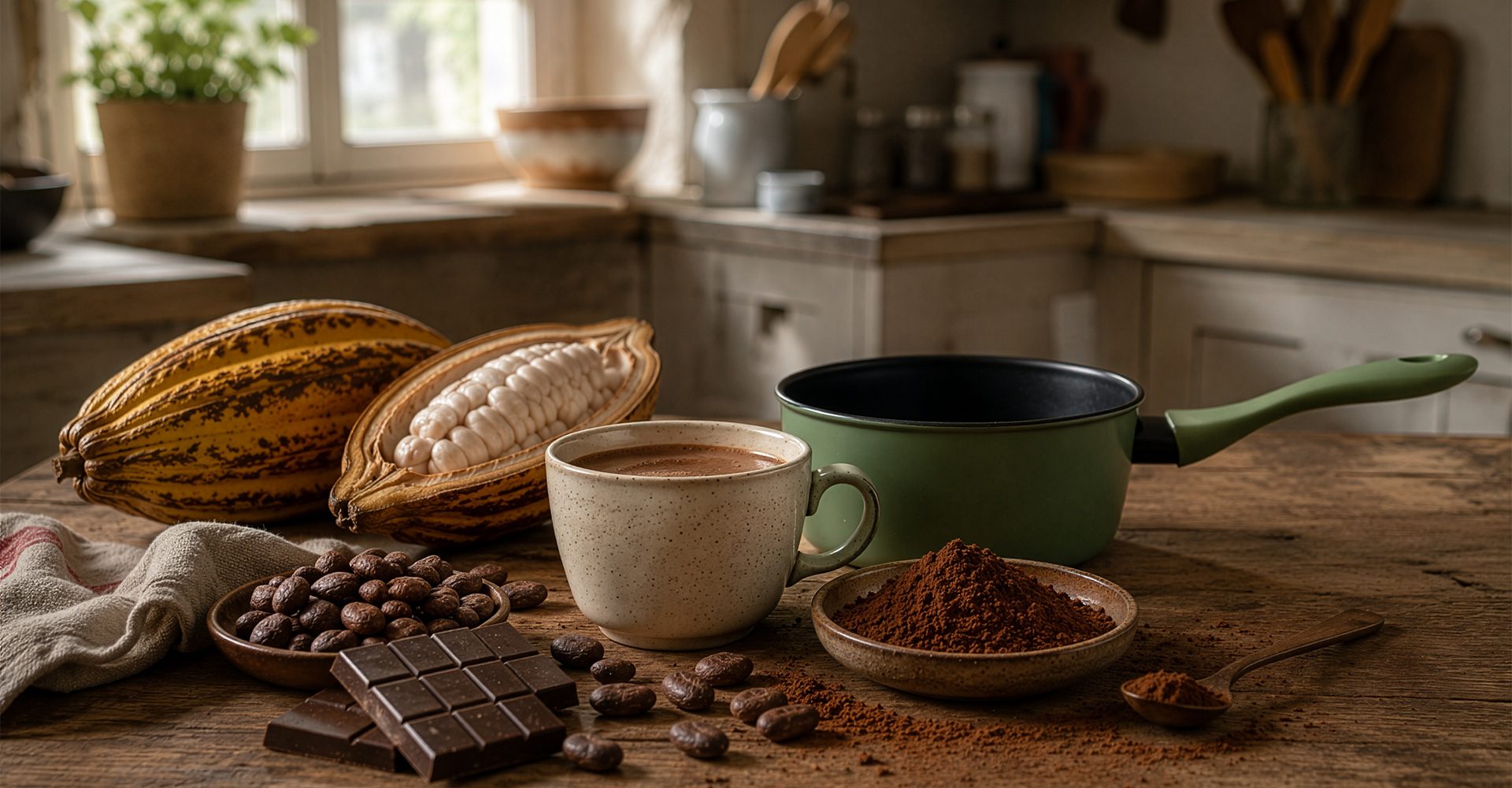
Celebrating World Chocolate and Cacao Day is almost a moral obligation. Few foods generate such unanimity, awaken so many passions, and are so deeply rooted in our moments of happiness. But today we don’t just want to talk about the pleasure of biting into a bar. We want to talk to you, literally, about the value of chocolate (and no, we’re not just referring to the famous and beloved Spanish chocolate brand that comes to everyone’s mind). Chocolate and cacao have such a fascinating historical, cultural, and economic value that, for centuries, they weren’t kept in the pantry… they were kept in the safe!
Mesoamerica’s “black gold”: when money grew on trees
In ancient Mesoamerican civilizations, such as the Mayans and Aztecs, cacao beans were not just a simple ingredient: they functioned as a real currency system. They were highly valued because they could be easily fractioned, transported, and stored. Furthermore, they were considered an absolute luxury good, directly associated with nobility and the divine.
Why was cacao used as money?
Cacao naturally met the perfect characteristics that economists require to define money:
- Durability: dried cacao beans remained intact and in perfect condition for a long time without spoiling.
- Portability: they were light, small, and very easy to group, transport in sacks, or count quickly.
- Scarcity and value: the cacao tree required very specific climatic and humidity conditions, which limited its production, elevated its status, and kept its demand consistently high.
Prices and commercial value of the era
The pre-Columbian economic system was based on both pure bartering and the use of cacao beans to pay for specific goods. Their equivalence varied by region, but historical records have left us some curiosities about the “cost of living” of the era:
| Goods | Price per cocoa beans of cocoa |
| A rabbit | 10 to 20 beans |
| A fabric made of cotton | 60 to 100 beans |
| A slave | Between 3,000 and 4,000 beans |
To carry out large commercial transactions without going crazy counting bean by bean, merchants of the era created standardized units of measurement:
- 1 zontle = 400 cacao beans.
- 1 jiquipil = 8,000 cocoa beans (the equivalent of today’s large banknotes).
Counterfeiting and currency control
As cocoa held such economic interest, it wasn’t long before the first “counterfeiters” in American history appeared. Some fraudsters would very carefully empty the bean pod to extract the precious chocolate from inside. Then, they would fill it with sand or ground and compacted avocado pits, skillfully sealing it to restore its normal appearance and pass it off to some unsuspecting merchant.
The leap to Europe: from exotic currency to millionaire industry
When cocoa crossed the Atlantic after the conquest of America, it underwent a radical metamorphosis. Europeans added sugar, cinnamon, and vanilla, transforming that bitter and energetic drink into the sweet delicacy we know today.
Soon, chocolate ceased to be a secret of royal courts to become the engine of a massive industry in Europe. Countries like Switzerland revolutionized the sector by inventing milk chocolate and refining the conching technique (which gives it that silky texture that melts in your mouth). Meanwhile, Belgium was crowned the world capital of artisanal chocolates and high-end pralines. Cocoa went from being a jungle currency to one of the most powerful and lucrative gastronomic industries in the old continent.
Much more than a whim: the nutritional value of pure cocoa
Aside from its history, cocoa as a food possesses extraordinary nutritional value, provided we consume it in versions with a high percentage of purity (from 70% upwards). It is a true shield for the body:
- Powerful antioxidant: it is one of the foods with the highest concentration of flavonoids, which combat cellular aging and protect cardiovascular health.
- Good mood boost: cocoa stimulates the production of endorphins and contains tryptophan (an amino acid precursor to serotonin), which scientifically explains why we feel so good and relaxed after eating a piece.
- Rich in essential minerals: provides high doses of magnesium (ideal for muscles and the nervous system), iron, and zinc.
The secret to melting chocolate at home (and not ruining it)
Whether it’s for preparing a confectionery coating, a Skillet Cookie with chocolate chips, or a comforting hot chocolate, the great culinary challenge of chocolate is heat.
Chocolate is an extremely delicate and capricious food. It contains fats and solids that, if subjected to direct or excessive heat, burn instantly, separate, turn bitter, and form unpleasant lumps.
To melt it perfectly and safely in your kitchen, quality cookware is your best ally. In Vitrinor’s vitrified steel and aluminum pots and saucepans, heat is distributed completely evenly across the entire base. This allows you to melt chocolate over very low heat with total temperature control, achieving a fluid, shiny, and perfect texture without the need for the cumbersome bain-marie process.
This July 7th, celebrate the value of this ancient food, get out your favorite Vitrinor saucepan, and give yourself the treat you deserve. Happy World Chocolate Day!
