
The cuisines of China
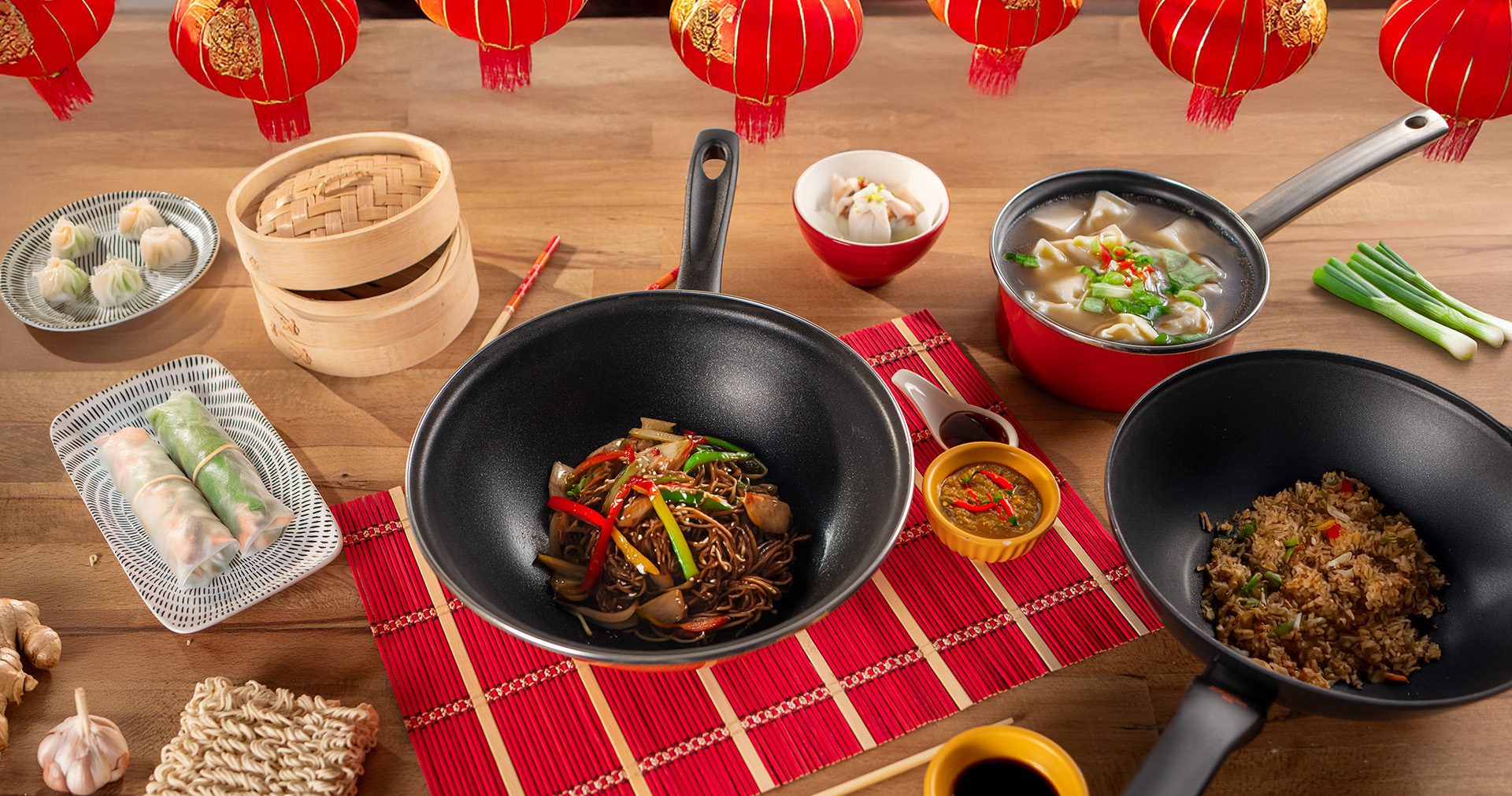
The Chinese New Year, which welcomes the Fire Horse, is a good reason to take a look at one of the oldest and most fascinating cuisines in the world.
During this time, Chinese tables are filled with dishes loaded with symbolism: long noodles, for example, represent longevity and are served uncut, as a wish for a long and prosperous life. Eating in China is never just eating: it is telling something, celebrating something, wishing for something.
One China, a thousand cuisines
To speak of “Chinese cuisine” in the singular is to fall very short. China is an immense country and its gastronomy changes greatly from one region to another.
In Sichuan, to the southwest, spicy flavors and the famous tingling of Sichuan pepper reign, capable of awakening even the most dormant palate. Canton, in the south, focuses on steaming, clean flavors, and quick cooking methods that respect the product as much as possible. In Beijing, the mythical Peking duck takes center stage, crispy on the outside and juicy on the inside, the result of a very precise technique.
Each region has its pantry, its climate, and its way of understanding cuisine.
Myths, clichés, and dishes that do not exist (there)
Here comes a little surprise: many of the dishes that we identify as “Chinese” in the West are not really. Chop suey, arroz tres delicias, or the famous fortune cookies were born outside of China, adapted to the local taste of the United States and Europe.
Traditional Chinese cuisine is much more varied, less sweet, and, in general, more balanced. It is not a matter of taking away merit from those dishes, but of knowing that there is much more to discover.
Ingredients that open a new world
To delve into Chinese cuisine is also to know ingredients that we may not use daily, but that are surprisingly versatile. Soy in its multiple forms (sauce, fermented paste, sprouts), fresh ginger, five-spice powder, pak choi, tofu, glutinous rice, or Chinese black vinegar are common staples.
A walk through an Asian supermarket can be quite a culinary adventure: new products, affordable prices, and the feeling of being about to learn something different.
Techniques that change everything
The famous stir-fry in a wok is perhaps the most iconic technique. It is cooked quickly, over high heat and with constant movements, very different from the slow European poaching that we use in our sofritos. If the objective of the sofrito is to soften the vegetables and mix flavors, the stir-fry seeks to seal, maintain textures, and concentrate the flavor of each ingredient.
Steaming represents the most delicate side of Chinese cuisine: gentle, healthy cooking methods that are very respectful of nutrients. Dumplings, vegetables, fish… everything gains lightness and flavor.
History, balance, and an extreme bite
Chinese cuisine is based on the idea of yin-yang balance: hot and cold, crunchy and tender, soft and powerful. That is why menus seek harmony more than excess.
And yes, there are also dishes that attract a lot of attention, such as the famous thousand-year egg, actually an egg preserved for weeks or months, with an intense texture and flavor. More than rarities, they are examples of ancestral conservation techniques.
What unites us to Chinese cuisine
Although at first glance they seem distant cuisines, Spanish and Chinese share more than we imagine. An example is youtiao, an elongated fried dough that has been consumed in China for centuries, especially at breakfast. It is eaten hot, freshly fried, and often dipped in hot drinks or mild broths. It is difficult not to think of our churros, and it is no coincidence that these have been so well received in large Chinese cities in recent years, where specialized churrerías exist today.
We are also united by the role of rice on the daily table. In both countries, it is not just any accompaniment, but the base on which many everyday dishes are built. To this is added the importance of broths: in China, as in Spain, a good stock is synonymous with careful cooking, and many recipes begin with long cooking times designed to extract flavor and nutrients.
Another point in common is the use of pork as a fundamental ingredient. In Chinese cuisine, almost everything from the animal is used, something that connects directly with our tradition of stews, sausages, and dishes of use. In fact, Spanish cured ham arouses enormous interest in China, where slow curing and intense flavors are especially valued, very much in line with their gastronomic culture.
There are even affinities in the way of eating: in China it is common to share many dishes in the center of the table, something very similar to our custom of tapas, portions or dishes in the middle. Different cuisines, yes, but with the same underlying idea: eating is not just feeding, it is sharing time, repeating recipes and adapting them to what is at home.
Dare to cook China at home
Authentic Chinese cuisine is not complicated, just different. It requires curiosity, good ingredients, and utensils that facilitate quick cooking and steaming. A good wok or steamer opens the door to dishes full of flavor, balance, and tradition.
This Chinese New Year, dare to go one step beyond the usual menu and discover a cuisine that hooks you spoonful by spoonful… or chopstick by chopstick. Go to the Asian supermarket, grab your wok and let the Chinese flavors conquer you. Your kitchen will never be the same.
