
Batch cooking: the art of “getting your hands dirty” to sort out your week’s meals
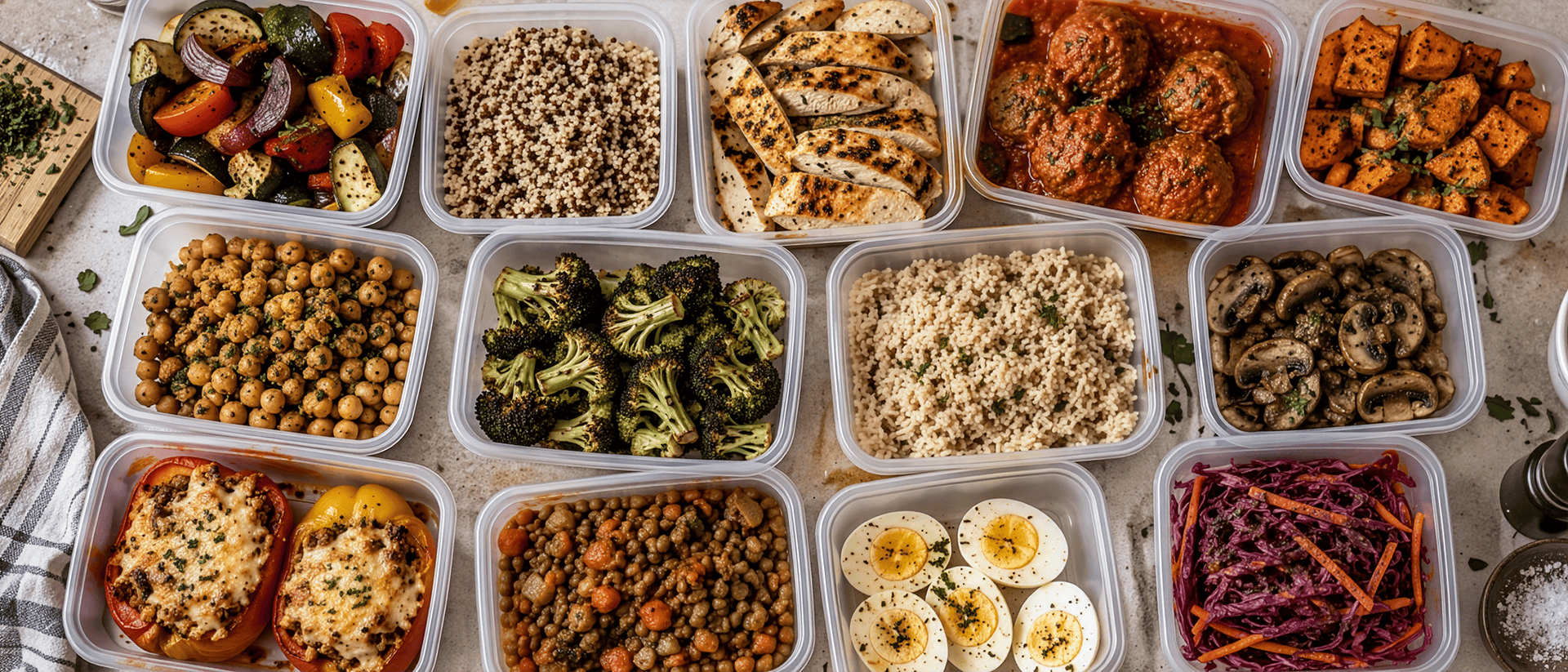
Let’s be realistic: getting back to routine in September is always tough, but what really drains your energy after work is the mental question every night: what’s for dinner tonight? The solution to beat the clock and buy yourself hours on the sofa from Monday to Friday has a name you’ve probably heard, batch cooking, but here we prefer to call it pure practicality.
It’s not about locking yourself in the kitchen as if it were a punishment, but about setting up a great Sunday plan. You put on some music, pour yourself something cool, and since you’re getting your hands dirty and making a mess on the counter, you extend the time to sort out the logistics for the whole week. Cooking in batches isn’t stressful if you turn it into a shared ritual, a game with the family, or simply your moment of disconnection. The key to making this work is not to complicate your life with elaborate recipes and to have reliable and efficient kitchenware. If your pans and pots heat up quickly and clean effortlessly, half the work is done before you even start.
The Sunday mindset: change obligation for a great plan
Forget about seeing cooking as a boring chore. The key to making this work long-term is to transform it into an enjoyable moment. Turn up your favorite podcast, put on that playlist that energizes you, or pour yourself something cool while you organize the table.
If you live with a partner or family, share the tasks: one chops vegetables, another beats eggs, and someone else takes care of monitoring the oven. Cooking with four hands turns a heavy task into a time for chatting and unwinding, and cuts kitchen time in half. You’re investing a couple of hours on a Sunday afternoon to give yourself absolute peace of mind from Monday to Friday.
Less is more: the rule of versatile basics
The most common mistake when starting batch cooking is trying to prepare five complex and completely different recipes. The real professional trick is to cook neutral and tasty bases that combine in multiple ways throughout the week:
- A large tray of roasted vegetables: zucchini, eggplant, bell pepper, onion, and carrot. They will serve as a side dish for meats or fish, a base for scrambled eggs, or an accompaniment to quick pasta.
- A carbohydrate base: a good amount of cooked brown rice, quinoa, or couscous.
- Two protein options: grilled marinated chicken breasts and a legume base (such as chickpeas or lentils sautéed with spices).
With these three blocks ready in the fridge, assembling a complete, nutritious, and different dinner every night will take you no more than two minutes.
The trusted equipment: your best ally in the kitchen
Try cooking for five days with utensils that food sticks to or that take an eternity to heat up, and batch cooking will become a nightmare. Having efficient tools in the kitchen makes all the difference between enjoying the process and ending up frustrated.
Pans with a high-quality non-stick coating ensure that proteins brown perfectly and vegetables sauté without needing tons of oil. Meanwhile, pots and casseroles that distribute heat quickly and evenly allow you to have several burners on, performing at their best without the risk of food burning in certain areas. If your cookware responds precisely and cleans without scrubbing, with a simple wipe of a sponge, you’ll have won half the battle before you even start.
The order of factors does alter the product (and saves time)
Logistics are everything in batch cooking. To have four or five preparations ready in just over an hour, the cooking sequence must be impeccable:
- The oven works first: cut root vegetables and other vegetables, season them, and put them in the oven at 200 °C. They will cook on their own for 40-45 minutes without requiring your attention.
- Start long cooks: while the oven heats up, put water to boil for rice, quinoa, or hard-boiled eggs in pots.
- Use the stove for quick tasks: with the oven on and boiling items underway, use the pans for quick stir-fries over high heat: browning chicken, sautéing legumes, or searing breasts.
Optimizing your time allows you to have three techniques going at once without stress and maintaining control of the kitchen.
The art of packaging: preserve like a pro
There’s no point in cooking with care on Sunday if the food loses texture or flavor by mid-week. Follow these three golden rules for perfect preservation:
- Patience with temperature: never cover or place a hot container in the fridge. Condensation generates water droplets that alter textures and accelerate food spoilage.
- Glass containers: airtight glass containers are your best allies: they don’t absorb odors or flavors, are easy to clean, and allow direct reheating.
- Strategic organization: place Monday and Tuesday containers in the most accessible area. What you plan to consume on Thursday or Friday can be frozen in individual portions and moved to the fridge the night before.
See? It wasn’t that hard, was it? Adopting batch cooking doesn’t require becoming an executive chef, but rather equipping yourself with a couple of clear ideas and the right utensils to simplify your life. You’ll gain quality time during the week, eat much more balanced meals, and say goodbye forever to the stress of an open fridge.
