
Complete Salads: Why They’ve Stopped Being Just a Side Dish
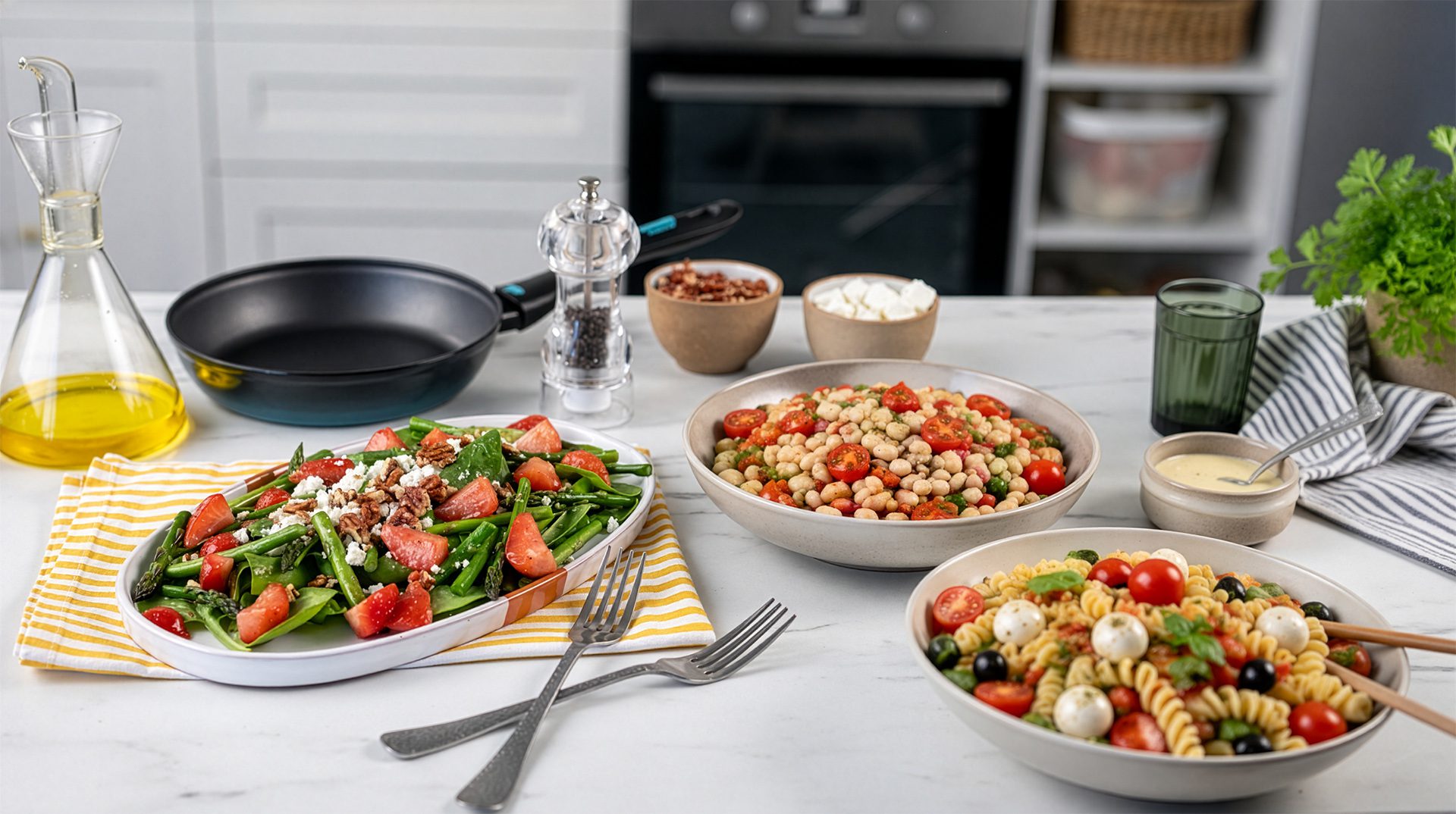
From “boring accompaniment” to the star of your menus: salad is a healthy, satisfying, and flavorful option.
For decades, the word “salad” has carried an unfair reputation. For many, it evokes the classic combination of bland lettuce, tasteless tomato, and a splash of industrial vinegar; a flat, boring dish relegated to being the eternal accompaniment to meat or fish.
Fortunately, things in the kitchen have changed. Nowadays, especially when good weather arrives, complete salads have rightfully earned the status of a main course. They have ceased to be a supporting actor to transform into balanced, comforting, and gastronomically sophisticated options. The secret is not to randomly pile ingredients into the bowl, but to learn to think about salad by combining nutrients, freshness, and, above all, technique.
The main course formula: What does a salad need to be complete?
For a salad to work as a main course and keep you satiated and full of energy, it must meet a basic balance of macronutrients:
- A substantial base: go beyond common lettuce. Use lamb’s lettuce, arugula, tender spinach, or kale. If you’re looking for an extra energy boost, add complex carbohydrates like quinoa, brown rice, pasta, or legumes (cold chickpeas and lentils are a sure hit).
- Quality protein: this is what transforms a side dish into a real meal. You can opt for grilled chicken, quality canned goods (tuna, bonito), boiled egg, feta cheese, or sautéed tofu cubes.
- Healthy fats: essential for absorbing vitamins and adding creaminess. Extra virgin olive oil is a must, but you can enrich the dish with avocado, nuts, or seeds.
- Micronutrients and color: seasonal vegetables and fruits (carrot, cucumber, radishes, strawberries, or mango). The sweet-savory contrast instantly elevates the dish.
Fire as an ally: the richness of toasted, sautéed, and grilled elements
The true quantum leap of the modern salad occurs when we abandon the idea that everything must be raw and cold. Turning on the stove and introducing cooked elements to varying degrees adds a richness of nuances that multiplies your kitchen’s possibilities.
Playing with temperatures and cooking techniques breaks the monotony of the dish and awakens the flavors:
- The toasted touch: quickly pan-frying some nuts (walnuts, almonds) or sesame and pumpkin seeds awakens their essential oils, multiplying their aroma and enhancing an addictive crunch.
- Al dente sauté: vegetables like wild asparagus, mushrooms, or diced zucchini gain a spectacular texture if you sauté them over high heat for a few minutes. They turn golden brown on the outside, crispy on the inside, and deliciously warm the dish.
- The power of the griddle: Searing a chicken breast, some marinated tofu cubes, or even a block of feta or goat cheese directly on the griddle creates a brutal caramelized outer layer. That contrast between the tender, warm core and the fresh base of green leaves is haute cuisine in your daily life.
Four basic (and perfect) combinations that never fail
If you don’t know where to start, jot down these four ideas for balanced combinations that play with textures, temperatures, and flavors. They are sure hits:
The Warm Mediterranean
- Base: cooked chickpeas and arugula leaves.
- The touch of fire: cherry tomatoes sautéed in the pan until the skin begins to open, and chicken strips well seared on the griddle.
- The finishing touch: crumbled feta cheese and black olives.
- Dressing: olive oil emulsion, a touch of lemon, and dried oregano.
The Crunchy Wild
- Base: tender spinach and lamb’s lettuce.
- The touch of fire: wild asparagus sautéed al dente and walnuts lightly toasted in the pan to activate their crunch.
- The finishing touch: goat cheese cubes and fresh strawberry or apple slices.
- Dressing: olive oil vinaigrette, balsamic vinegar, and a drizzle of honey.
The Nutritious Marine
- Base: cooked quinoa (you can sauté it for a minute with a garlic clove for extra flavor) and tender sprouts.
- The touch of fire: fresh salmon cubes seared on the griddle with a touch of black pepper.
- The finishing touch: half an avocado in slices and toasted sesame seeds.
- Dressing: olive oil, a splash of soy sauce, and a few drops of lime.
The Green-Creamy (Vegetarian)
- Base: whole wheat pasta (fusilli or farfalle) and warm kale leaves.
- The touch of fire: mushrooms and firm tofu cubes sautéed with a touch of smoked paprika over high heat.
- The finishing touch: finely chopped raw red pepper (to give a crunchy contrast) and a handful of sunflower seeds.
- Dressing: light natural yogurt sauce, a drizzle of olive oil, a teaspoon of old-fashioned mustard, and squeeze a clove of black garlic.
Change your mindset: it’s time to enjoy
Cooking healthy and practical, especially in weeks when the heat is intense, doesn’t mean opening a bag of green sprouts out of obligation. It’s opening the fridge with curiosity, understanding what your body needs to be well-nourished, and combining textures and colors with joy.
Complete salads are the perfect blank canvas of modern cuisine: quick, versatile, nutritious, and, above all, delicious. Forget the myths, get out your biggest bowl, and start designing your unique dish for this season.
