
World Mediterranean Diet Day
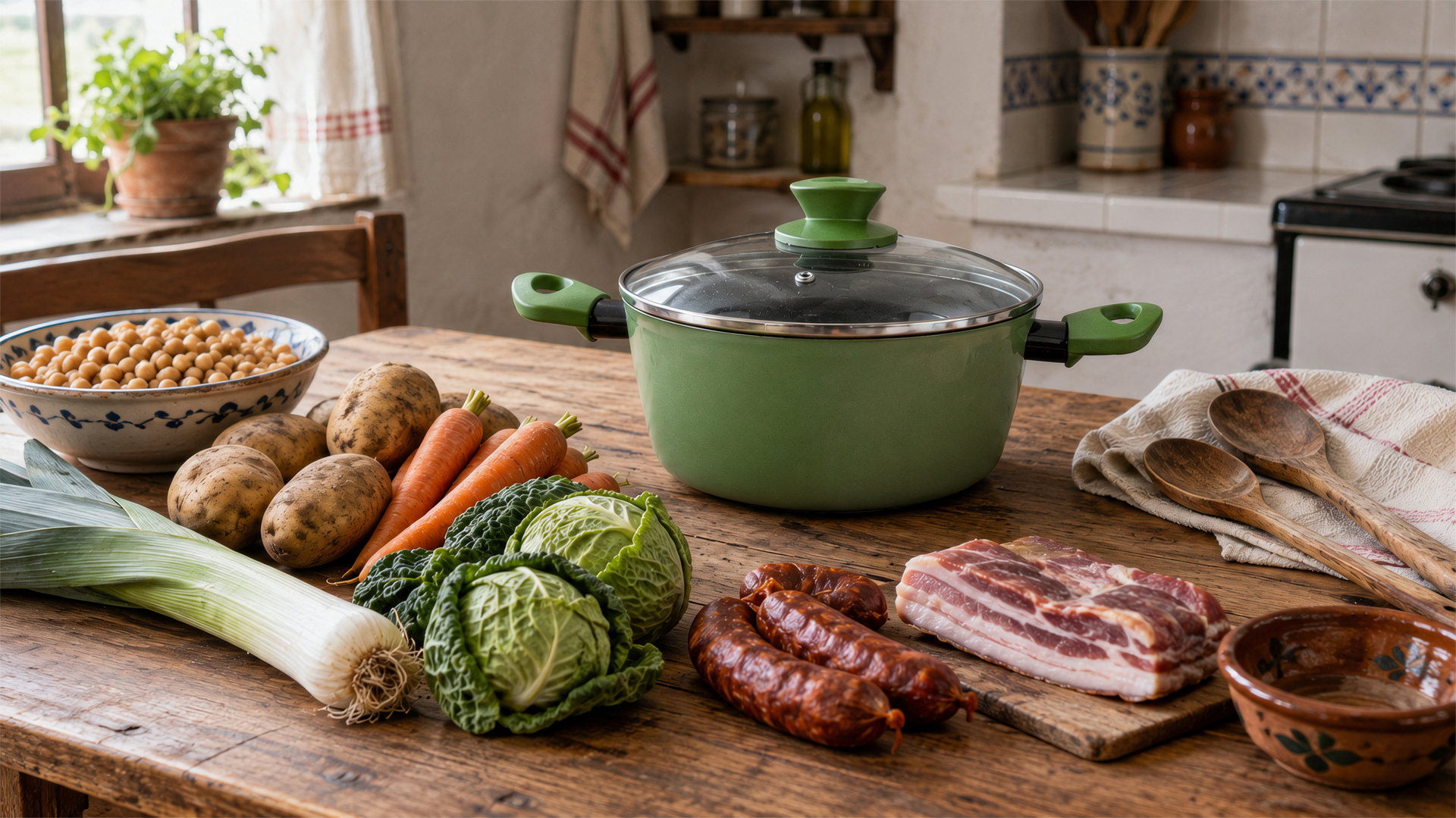
Every November 13th, World Mediterranean Diet Day is celebrated, a perfect date to stop and think about how we eat. In recent years, we have come to associate the word «diet» with lists of permitted foods, calorie counting, kitchen scales, and restrictions of all kinds. However, authentic Mediterranean cuisine has nothing to do with going hungry or following rigid guidelines.
The worddietcomes from the Greek termdiaita, which literally means «lifestyle» or «daily balance». For our mothers and grandmothers, eating according to Mediterranean tradition was not an imposed rule: it was simply cooking what the environment offered at each moment of the year, sitting at the table without rushing, and enjoying food in company.
The myth of the word “diet”: from restriction to lifestyle.
Our ancestors never counted grams of chicken breast or measured macronutrients in an app. The Mediterranean diet was built on the abundance of fresh vegetables, legumes, fish from our coasts, sourdough bread, and, of course, extra virgin olive oil as the common thread of any preparation.
Turning this intangible cultural heritage into a restrictive regime is a mistake. The key to Mediterranean eating is not in what it prohibits, but in how it celebrates quality produce, respects cooking times, and turns mealtime into a social act of disconnection and togetherness.
Having everything all year round is not eating Mediterranean.
Globalization and large supermarkets have accustomed us to a very comfortable trap: finding bright tomatoes in the middle of January, strawberries in autumn, or zucchini in early spring. Having access to any ingredient twelve months a year makes us think we eat a varied diet, but in reality, it completely distances us from the Mediterranean essence.
Eating seasonally is not a gastronomic whim or a trend. It makes perfect sense:
- Flavor and nutrients at their peak:a vegetable that has ripened in the sun in its natural season concentrates much more sugar, aroma, and vitamins than one grown out of season or forced in a greenhouse.
- Savings in the basket and lower energy consumption:seasonal products are more abundant and cheaper. In addition, we save the enormous energy expenditure involved in transporting fruit by plane from the other side of the planet or keeping vegetables for months in cold storage.
- Biological logic:the body craves hydrating and fresh foods like tomatoes, cucumbers, or watermelon during the summer heat. In contrast, when the cold of November arrives, what the body naturally demands are legumes, root vegetables, cabbages, and comforting stews.
Valencian paella: the perfect example of immediacy and territory.
To understand what it means to cook with what the land provides without forcing anything, there is no better example than traditional Valencian paella. Today we tend to think of recipes as fixed lists of ingredients that must be bought at the supermarket, no matter the season. However, paella was born in the garden in the most humble and spontaneous way imaginable.
A 19th-century Valencian farmer didn’t go to a gourmet store with a recipe book in hand. At midday, he lit a fire in the field itself and prepared rice with whatever he literally had at hand at that precise moment: local rice, green beans (bajoqueta) andgarrofófreshly cut from the garden, a chicken from the coop, a rabbit hunted in the mountains, or snails collected after the rain. There was no seafood brought from afar or out-of-season ingredients. It was the cuisine of immediacy, of absolute proximity, and of respect for what the field offered that very day.
The magic of sofrito: the technique that unites the entire Mediterranean.
If there’s one culinary technique that defines our way of cooking, it’s the sofrito. Throughout the entire Mediterranean basin, from Spain to Greece or southern Italy, almost any memorable dish begins the same way: a drizzle of extra virgin olive oil in the pan and a base of garlic, onion, and tomato. The secret of sofrito is none other than patience. Sautéing the vegetables over low heat allows the juices to concentrate and the natural sugars of the vegetables to caramelize slowly, creating a deep flavor base that serves as the soul for rice dishes, legume stews, or fish sauces.
Cookware as an ally: tools for cooking with care.
Having good seasonal ingredients is the first step, but treating them with the respect they deserve in the kitchen requires suitable cookware:
- Quality non-stick pans:allow you to brown fish, white meats, or grilled vegetables using just the right amount of extra virgin olive oil, achieving a crispy seal on the outside and juicy on the inside without the product sticking or falling apart.
- Vitrified steel casseroles and stew pots:are the heart of slow-cooking. They distribute heat evenly and retain it for a long time, allowing stews and legumes to be cooked over low heat using just the right amount of energy.
- Glass lids with steam vents:cooking with a lid helps retain the juices and aromas of food, speeding up cooking times and preventing stews from drying out without the need to add extra fats or excess salt.
Four simple gestures to rediscover the Mediterranean essence today.
- Check the calendar before shopping:take a look at the fruits and vegetables that are in season each month. Your wallet and your palate will notice it immediately.
- Go back to the local market:talk to the greengrocer or fishmonger. No one knows better than them what’s fresh today and what’s at its best price and quality.
- Give it ten more minutes on the heat:swap hurried meals and pre-cooked dishes for a gentle sofrito prepared in your saucepan. The difference in the result is immense.
- Bring back the after-dinner conversation:turn off screens during meals whenever you can. Sharing the table and conversation with family or friends is as beneficial for health as the menu itself.
Returning to Mediterranean cuisine doesn’t require complications or exotic ingredients. It’s simply about choosing what we buy well, enjoying the process in front of the stove, and taking care of our loved ones with traditional recipes. We encourage you to browse our recipe finder on the Vitrinor website to find easy, delicious, seasonal ideas designed to make the most of your cookware. Enjoy good food!
