
And flavor became meat
The most consumed meats in the world, tips and advice
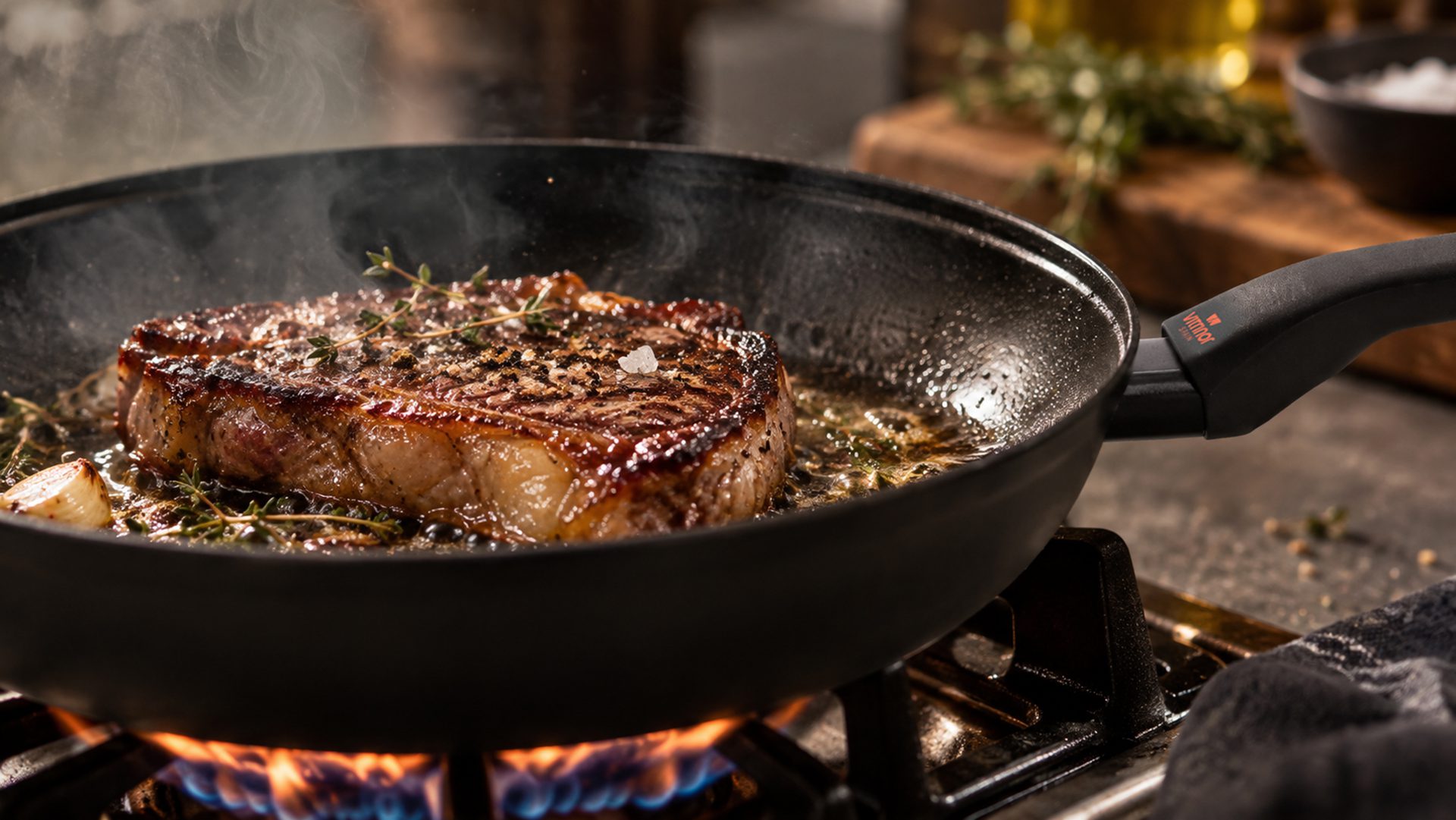
It has happened to all of us at some point: putting a steak in the pan with great enthusiasm and watching it start to release water, shrink, or become tougher than expected. Cooking meat is part of our daily lives, but achieving that juicy texture and the exact doneness for each cut has its little secrets.
Chicken and pork occupy the top spots in half the planet’s shopping basket, but options like beef, lamb, rabbit, or duck offer many alternatives to break the routine.
The final result doesn’t just depend on the pan or the cooking time. Opting for local trade and farms that respect animal welfare regulations directly influences the dish. When an animal is raised in calm, stress-free conditions, the meat retains its natural juices better. This is noticeable when cooking: the pieces are more tender, tastier, and don’t lose water when exposed to heat.
Analysis by meat type: technique, kitchenware, and nutrition
Chicken
- Consumption data: The United States and Brazil lead the consumption of this poultry, indispensable in cookbooks worldwide due to its ease of combination.
- Nutrition: provides lean protein of high biological value with little fat, mainly grouped in the skin.
- Technique and kitchenware: for grilled chicken breasts, thick-bottomed non-stick pans allow browning the surface with almost no added oil. If you are preparing thighs or stews, casseroles or stew pots with a diffuser base distribute heat constantly.
- Doneness: it should always be served well cooked for food safety, reaching 74 °C in the center of the piece.
Pork
- Consumption data: China is the largest global consumer of pork, absorbing more than half of the world’s production.
- Nutrition: it is an excellent source of thiamine (vitamin B1), zinc, and iron.
- Technique and kitchenware: for lean cuts like tenderloin or loin, griddles or ribbed grills are the best option for searing the exterior well in a short time.
- Doneness: the ideal juicy doneness is achieved between 63 °C and 65 °C internal temperature, letting the piece rest for a couple of minutes before carving.
- Consumption data: Argentina and Uruguay lead the per capita consumption figures per year.
- Nutrition: stands out for its high content of heme iron —the most absorbable by the body— and vitamin B12.
- Technique and cookware: requires pans that maintain high temperatures. A burst of high heat achieves a quick sear on the outside that retains the juices inside.
- Doneness: to the diner’s taste. Rare (52 °C), medium (55 °C – 58 °C) or well done (from 68 °C).
Consumption data: China leads the main market for this meat with characteristic aroma and intensity.
- Nutrition: contains monounsaturated fatty acids concentrated in the skin’s fat layer.
- Technique and cookware: duck breast should be cooked in a non-stick pan, starting from cold and placed skin-side down. This way, the fat melts slowly and the skin becomes crispy.
- Doneness: best enjoyed pink, around 58 °C – 60 °C at the center of the cut.
- Cooking temperature: it is best enjoyed medium-rare, with a core temperature of around 58 °C – 60 °C.
Consumption data: Spain and Italy are two of the main countries where this white meat is part of traditional cuisine.
- Nutrition: lean meat, low in calories and with reduced sodium content, very easy to digest.
- Technique and cookware: as it has very little fat, lidded casseroles or stew pots are ideal for slow-cooked stews that prevent the meat from browning too much or drying out.
- Doneness: fully cooked, not exceeding 70 °C to prevent the fibers from becoming tough.
- Cooking temperature: it is best enjoyed medium-rare, with a core temperature of around 58 °C – 60 °C.
Consumption data: Middle Eastern countries, Australia, and New Zealand record the highest consumption rates, usually associated with celebrations.
- Nutrition: rich in phosphorus, zinc, and B vitamins.
- Technique and cookware: roasting pans that can go from stovetop to oven work very well for chops or racks. For shoulder or leg, deep casseroles allow for slow, tender stews.
- Doneness: between 63 °C for thin cuts cooked pink and 71 °C for traditional roasts cooked tender.
- Cooking temperature: it is best enjoyed medium-rare, with a core temperature of around 58 °C – 60 °C.
| Meat | Cookware | Key technique | Internal temperature |
|---|---|---|---|
| Chicken | Non-stick pan | Casserole Medium heat or covered stew | 74 °C |
| Pork | Quick searing without moving the piece | 63 °C – 65 °C | |
| Veal | High heat | sear to brown | 52 °C – 58 °C |
| Duck | Start cold | skin side down | 58 °C – 60 °C |
| Lamb Roaster | Deep casserole dish | Constant baking or slow fire | 63 °C – 71 °C |
| Rabbit | covered baking dish | Moist cooking in a gentle stew | 70 °C |
Three simple tips to improve your meat dishes
- Bring the meat to room temperature: taking the piece out of the fridge about 20 minutes before cooking prevents the inside from being too cold when it enters the pan.
- Dry the surface well: patting the meat with absorbent paper before putting it on the heat helps it brown faster without cooking in its own steam.
- Let it rest: resting the meat on a board for a couple of minutes after cooking allows the internal juices to distribute and not escape with the first cut.
Now that you have the times, temperatures, and best tricks on your side, all that’s left is the most fun part: lighting the fire and putting yourself to the test. We invite you to take a look at the recipes section of our website, where you’ll find plenty of ideas to put all this into practice, make the most of your Vitrinor cookware, and lick your fingers. Let’s get cooking!
