
The great ingredient: water in the kitchen
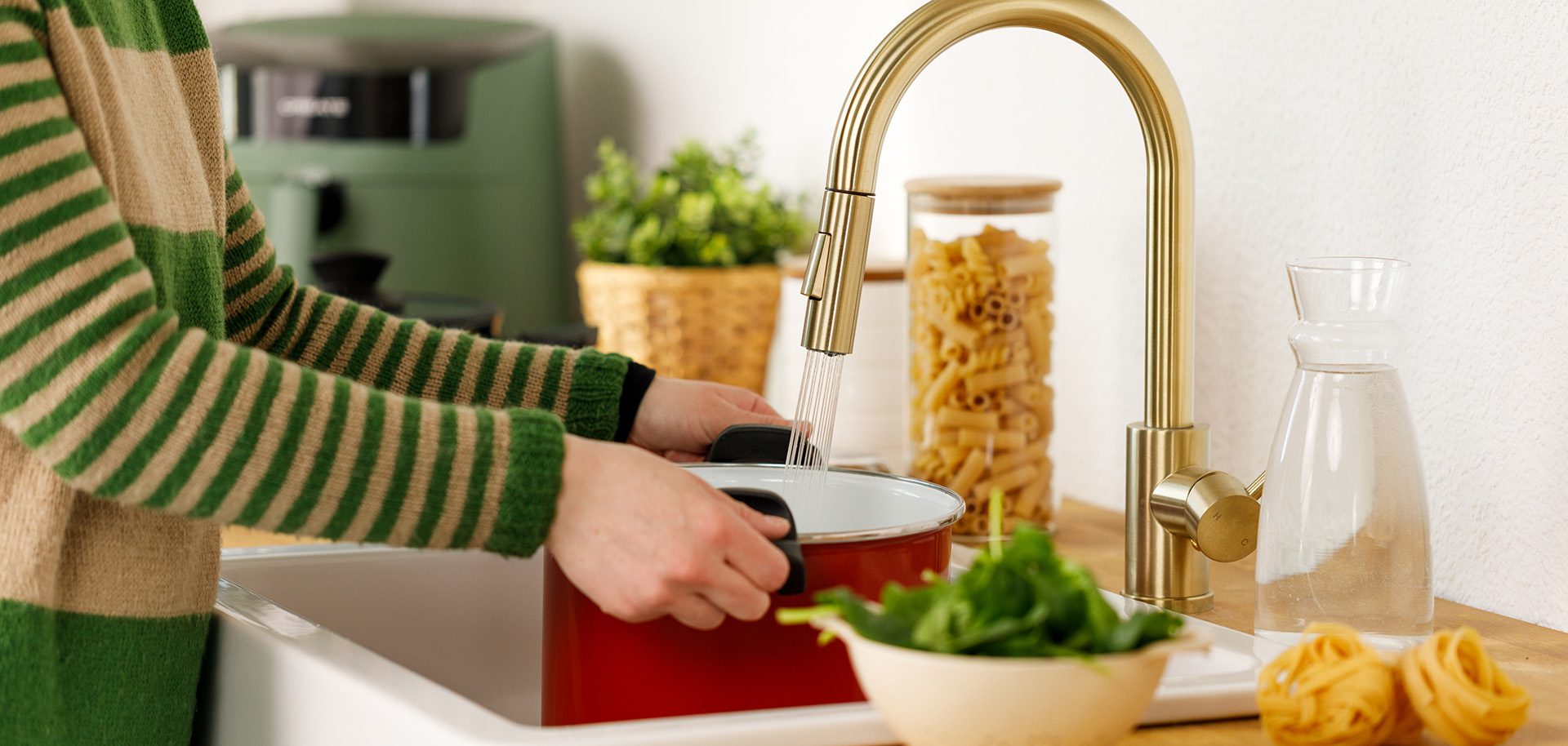
The most important ingredient in any recipe is also the most abundant and the most economical. In this article, we explore the vital importance of water in everything we cook.
Water: the life of the kitchen
In the kitchen, there are ingredients we notice—meats, vegetables, spices—and others that seem to go unnoticed. Water belongs to the second category, yet it is actually the element that most influences the outcome of any culinary preparation. It is present in almost all foods and plays a role in virtually every cooking technique: boiling, steaming, stewing, baking, or even drying and curing food. Although we do not always think about it, much of what happens in the kitchen has to do with how water behaves.
Understanding how water influences food helps to cook better, to achieve more pleasant textures and more balanced flavors. Many cooks sum it up with a simple idea: cooking is all about learning to control water and moisture.
The invisible ingredient that is in almost all foods
Most foods contain a large amount of water. Vegetables can exceed 90% water, meat and fish are around 60-70%, and many fruits are between 80 and 90%.
When we apply heat, this water begins to transform: it can evaporate, concentrate or redistribute within the food. It is this transformation that explains many changes in cooking: a carrot that becomes tender, vegetables that soften or meat that becomes juicier.
Cooking is playing with water: water-dependent techniques
Almost all culinary techniques depend on the presence of water or humidity. Some techniques add water to transmit heat; others seek to eliminate it to concentrate flavors and in others the secret is to seal the food to prevent the loss of moisture from the interior.
Boil and cook
Boiling food in water is one of the oldest culinary techniques. Meats, pasta, rice, vegetables or legumes change their texture when the hot water penetrates their structure and allows the starches to hydrate and the fibers to soften.
Steaming
Steam is water in a gaseous state, but it transmits heat very efficiently. That’s why steaming allows you to better maintain the nutrients and natural flavor of food. If you are looking for simple and healthy cooking, the steamer will be your great ally.
Stews and casseroles
Traditional stews work through a combination of water, heat and time. The liquid allows the ingredients to exchange aromas and flavors while the heat slowly transforms the food. Dishes like braised lentils, stew or beef stew depend on this balance.
The oven also works with water
Although it may seem like a dry technique, the oven also relies on water. During cooking, food releases moisture that turns into steam and helps distribute the heat. This steam influences the juiciness of a roast or the crust of bread.
Drying, air-drying and smoking
At the opposite extreme are techniques that remove water from foods. Drying, air-drying or smoking reduce moisture and concentrate flavors. This is how foods such as cured hams, sausages or dried fish are preserved.
The role of the lid: controlling the stew water
The lids of pots and pans have a much more important function than it seems: they help regulate the evaporation of water during cooking. When we cook with the lid on, steam is retained inside the pot, which keeps the moisture in, speeds up cooking and prevents the stew from losing too much liquid. On the other hand, removing the lid allows the water to evaporate and the broth to reduce little by little, concentrating flavors and thickening the sauce. Knowing when to cook covered and when to leave the stew uncovered is a small cooking technique that allows you to control the final texture of the dish and to make better use of water and energy during cooking.
Anecdotes and culinary traditions about water
The importance of water in cooking has also generated gastronomic stories and traditions. One of the best known is the idea of cooking certain dishes with seawater. In some coastal areas it has traditionally been used to cook pasta, seafood or prepare fish broths, as it provides natural salinity.
Something similar happens with some Valencian rice dishes. There is a popular belief that Albufera rice dishes are cooked with water from the lagoon itself. In reality, what is important is not so much the origin of the water as the balance between the rice, the broth and the evaporation during cooking.
These stories reflect the extent to which water is part of the culinary culture: not only as a technical ingredient, but also as a symbol of territory and tradition.
Hard and soft water: why water changes some recipes
Not all waters are the same. Hard water contains more minerals, such as calcium and magnesium, while soft water has a lower concentration of minerals.
This difference may influence some preparations. In areas with hard water, for example, legumes may take longer to soften during cooking. The taste of broths or rice may also vary slightly.
Water also has a taste
Although we often do not perceive it, water has a taste. The dissolved minerals, the treatment of the drinking water or the origin of the water can influence the final result of some recipes.
In preparations where water is the protagonist – such as soups, broths or rice dishes – these differences may be more evident. If the water in your area has a very distinctive taste, it will be worth using bottled water for your stews.
Cooking while saving water: small sustainable gestures
Domestic cooking can also be more efficient in the use of water. Some simple gestures help reduce consumption without sacrificing good cooking.
- Use only the necessary amount when boiling food.
- Cook with a lid to accelerate boiling.
- Reuse vegetable cooking water for broths.
- Use cookware that distributes heat well and reduces cooking times.
Water, the basis of everything
Water is humble, universal and seemingly simple. Yet it is present in almost every culinary technique in the world.
Understanding how it influences the cooking of food helps us to cook better, to make better use of ingredients and to understand cooking from a broader perspective.
Frequently asked questions about water in the kitchen
Why is water important in cooking?
Because it transmits heat, hydrates food and allows culinary techniques such as boiling, steaming or braising.
What is the difference between hard water and soft water?
Hard water contains more minerals such as calcium and magnesium, while soft water has less.
How can you save water when cooking?
Using only the necessary amount, cooking with a lid and reusing the cooking water.
